Start with the Doll's Identity, Not the Outfit
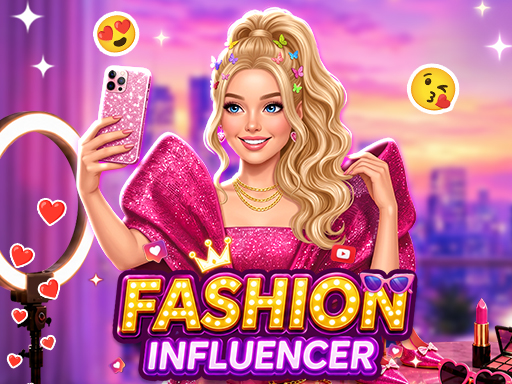
Paper Doll Makeover Dress Up is built around a simple but useful distinction: the paper doll is not only a mannequin for clothes. You first establish the character's face and hair, then build an outfit around that identity. Makeup, hairstyle, clothing and accessories should read as one look, not as four unrelated selections.
That makes the game closer to a small styling sequence than a single outfit picker. A dress can work perfectly with one hairstyle and feel wrong with another. The same is true for a bright accessory or a strong makeup choice. Look at the doll as a whole after each major change.
The Main Gameplay Loop
The browser version presents a paper-doll makeover with several customization groups. The reliable loop is:
- Choose or inspect the doll you are styling.
- Establish the face with the available beauty options.
- Select a hairstyle that supports the intended character.
- Build the outfit from clothing pieces.
- Add accessories and check the finished combination.
The order is not a strict fashion rule. It is a useful working order. Face and hair establish the visual direction; clothing supplies the silhouette; accessories finish the story. If you begin with a very specific accessory, it is easy to force every later choice around one small item.
Face Styling: Set the Mood Early
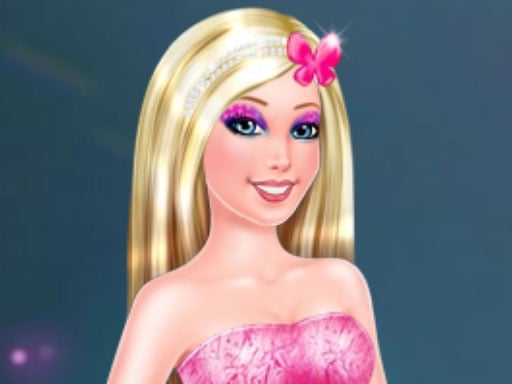
The game is described across its public listings as including makeup and personalized face options. Treat this stage as the character brief. A softer face can support a casual, pastel or everyday outfit. A stronger eye or lip choice can support a more dramatic fashion look.
Do not try to make every visible feature equally loud. Pick one lead element. If the eyes are the focus, a quieter lip and a clean hairstyle leave room for them to read. If the makeup is subtle, the outfit or hair can carry more of the personality.
This is also where different dolls can stop feeling interchangeable. Even when the wardrobe is shared, a different face or skin tone can change how the same colors read. Start with the doll rather than deciding on a complete outfit before you see the character.
Choose Hair Before You Commit to Clothes
Hair frames the face and occupies a large part of the final silhouette. Public browser descriptions for this title specifically mention hairstyles among the items that can be placed on the doll, so hair is more than a finishing decoration.
Use it as the bridge between face and outfit:
- A neat or restrained hairstyle leaves more attention for makeup and neckline details.
- A large or strongly colored hairstyle becomes a major part of the character's palette.
- A hairstyle with a clear theme can guide the clothing choice more effectively than a random dress picked first.
After changing hair, pause and inspect the face again. The frame around the eyes and cheeks may make the previous makeup feel lighter or heavier. This is a good moment to adjust the balance before adding many clothing layers.
Build the Outfit Around a Clear Direction
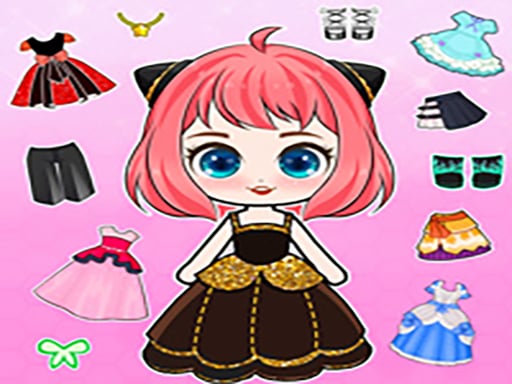
The public browser listing for this game describes a diary-like clothing collection with pieces such as skirts, dresses, jeans, jackets, blouses, T-shirts, sweaters, shoes, bags and jewelry. The important practical lesson is not to treat every category as a separate mini-game.
Choose a direction first. For example:
- A soft everyday look can use a simple top or dress, a compatible hairstyle and a small accessory.
- A more polished fashion look can begin with the silhouette of the main outfit, then use shoes and a bag to reinforce it.
- A playful look can use one distinctive color or motif, while keeping the remaining pieces quieter.
The outfit creates the largest shape on the screen. Check its length, color and visual weight before adding jewelry. If the clothing is already detailed, a second highly detailed item may compete with it rather than improve it.
Layering: Make Each Item Earn Its Place
Paper-doll styling works because items can be combined. That freedom also creates the most common visual problem: too many focal points. Use a simple hierarchy:
- Main outfit or dress.
- Hair and face framing.
- Shoes or another item that completes the lower silhouette.
- Bag, jewelry or hair accessory as the finishing note.
This does not mean every look must be minimal. It means each addition should answer a question. Does it repeat the outfit's color? Does it support the character's mood? Does it fill an empty area without covering the main design?
If the answer is no, remove it and compare the look again. Editing is part of the makeover, not a sign that the choice failed.
Accessories Should Finish the Story
Accessories are especially useful when they connect two parts of the look. A bag can repeat a shoe color. Jewelry can echo a neckline or makeup tone. A hair accessory can explain why a hairstyle belongs with the outfit.
The public descriptions also mention photo opportunities and scenes for the broader app version of this title. The current Girl-Games.io embedded build should be treated conservatively: use any scene or photo control only when it is visibly available in the browser game. Do not assume that every mobile-app story, event or collection feature is present in this iframe.
A Reliable Styling Order
When you want a clean first attempt, use this sequence:
1. Pick the character direction
Decide whether the result should feel casual, soft, formal, colorful or dramatic. This is an editorial choice, not a score requirement.
2. Set the face
Choose the makeup or face details that establish the mood. Avoid adding every strong option at once.
3. Select the hairstyle
Check how the hair frames the face and whether its color works with the makeup.
4. Choose the main clothing shape
Start with the dress, top or larger garment. It gives the rest of the look a structure.
5. Add shoes and supporting pieces
Use these to complete the silhouette or repeat a color already on the outfit.
6. Finish with accessories
Add only the pieces that strengthen the direction. Then remove one item and compare both versions. The cleaner result is often easier to read.
Click, Drag and Placement Problems
The available browser listing describes selecting items with a mouse and dragging items from the clothing diary to the doll. On a touchscreen, the equivalent action is tapping an option or dragging it into place when the game presents a movable item.
If an item does not appear, check the action rather than assuming it is locked:
- Click the item once if the interface uses selection tiles.
- Drag from the item itself when the wardrobe behaves like a diary or tray.
- Release the item over the doll or the intended placement area.
- If another item is being moved, finish that placement before starting the next one.
- Give the interface a moment after a selection before repeating the same input.
These are interaction checks, not claims about an unlock system. Progress saving for the current Girl-Games.io embedded build has not been confirmed.
Common Styling Mistakes
Choosing the dress before deciding on a character
The outfit then dictates every later choice, even if the face and hair point in another direction. Set the mood first, or at least revisit the face after choosing the main garment.
Making every category a focal point
Strong makeup, dramatic hair, patterned clothing and large accessories can all be attractive separately. Together they may compete. Let one element lead and make the others support it.
Treating accessories as an emergency fix
An accessory cannot always rescue a disconnected color palette. If the result feels wrong, return to the outfit or hair before adding more decoration.
Ignoring the lower silhouette
Shoes, trousers, skirts and bags affect the look below the waist. Review the complete doll rather than judging only the face and top half.
Replay Ideas
Because the game combines face, hair, clothes and accessory choices, replaying can be more useful when the rule changes. Try:
- A single-color look with one accent color.
- Hair first, then choose clothes that support it.
- A quiet outfit with one dramatic makeup feature.
- A practical everyday character instead of a princess-style look.
- The same main garment with two different hair and accessory combinations.
These are player-created styling challenges, not confirmed missions or rewards. The point is to see how much the final character changes when one decision leads the rest of the design.
How It Compares with Other Paper-Doll Guides
Paper Doll for Girls Dress Up is a useful next choice when you want a more direct paper-doll wardrobe flow. This game places more emphasis on the complete makeover relationship between face, hair and clothing.
Paper Dolls DIY Diary is a stronger comparison for players who enjoy a diary or collection-oriented paper-doll presentation. Paper Doll Makeover Dress Up is easier to approach as one focused character styling session.
If you want a wider dress-up cluster after the paper-doll games, browse Dress Up Games. For another DIY doll-focused option, try DIY Paper Doll.
Controls and Browser Notes
- Desktop: use the mouse to select items and drag them when the interface requires placement.
- Touchscreen: tap selection controls and drag movable items onto the doll.
- The current embedded game URL is preserved in this page's game data.
- Mobile behavior and progress saving have not been independently confirmed for every device or session.
Frequently Asked Questions
What is Paper Doll Makeover Dress Up?
It is a paper-doll styling game that combines face or makeup choices with hairstyles, clothing and accessories.
What should I do first?
Start by inspecting the doll and choosing a visual direction. Set the face and hair before committing to the main outfit.
Is it only a clothing game?
No. The makeover includes beauty and hair choices as well as clothing and accessories, so the final result depends on how those layers work together.
Why does a clothing item not appear?
Try the interaction the interface is showing: click to select, or drag from the wardrobe area onto the doll when direct placement is required. Complete the current placement before starting another.
Does the game have a confirmed save system?
Progress saving has not been confirmed for the current Girl-Games.io embedded build.
Can I use the mobile-app features in the browser version?
Do not assume that app-only stories, events, diary features or item counts are available in this iframe. Use the controls and options actually shown in the embedded browser build.
Our Test Notes
- Current iframe: GameMonetize HTML5 embed preserved from the existing game record.
- Play style: paper-doll makeover and creative outfit composition.
- Controls: mouse or touch selection; drag when placement is required.
- Progress saving: not confirmed for the current embedded build.
- Version note: public mobile listings describe a broader app experience. This guide keeps browser claims limited to the matching paper-doll, makeup, hair, clothing and accessory mechanics.
Sources and Version Notes
- Google Play listing for Paper Doll Makeover & Dress Up — confirms the title's paper-doll identity, makeup, hairstyles, clothing, accessories and broader app features.
- App Store listing for Paper Doll Makeover & Dress Up — cross-checks the makeover concept, customization categories and app-version story/photo claims.
- Play-Games browser page — supports the browser-oriented wardrobe interaction, clothing categories and drag-and-drop description.
- ZapGames browser listing — cross-checks browser controls and the HTML5/Unity WebGL presentation.
The Girl-Games.io iframe is the version boundary for this page. App-only counts, events, stories, rewards and saving behavior are not treated as confirmed browser features.
More Paper Doll and Dress-Up Games
Continue with Sweet Paper Doll: Dress Up DIY, Paper Dolls DIY Diary, Amazing Paper Doll Diary or Paper Doll Diary: Dress Up DIY. Browse Dress Up Games for the wider styling collection.