Create a Character One Piece at a Time
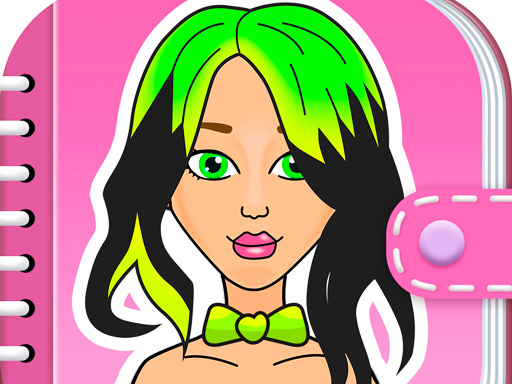
DIY Paper Doll is a browser-based dress up game built around the familiar idea of a paper doll and a wardrobe of separate clothing pieces. Instead of asking you to race against a timer, complete a difficult puzzle, or defeat another player, the game gives you a character and lets you concentrate on appearance.
The main activity is simple: look through the available hairstyles, clothes, shoes, and accessories, then combine them into a finished character. A single item may not seem important on its own, but the result changes as soon as several pieces are placed together. A hairstyle can make an outfit feel softer or more dramatic. Shoes can make the same clothes look casual or formal. Accessories can either finish the design or make it feel too busy.
That process of comparing small visual changes is the real game.
DIY Paper Doll does not depend on fast reactions. You are not punished for changing your mind, and there is no reason to keep the first combination you choose. You can try one item, look at the character, replace it, and continue until the design feels complete.
This makes the game easy to begin, even for someone who has not played many dress up games before. Once the provider’s opening screen has loaded, the purpose of the game is clear from the character and wardrobe interface. Most of the experience is controlled through straightforward clicks or taps rather than complicated keyboard commands.
The game is best approached as a relaxed styling activity. It is not about finding one officially correct outfit. Two players can use the same selection of clothes and create very different characters simply because they begin with different colors, hairstyles, or themes.
What Happens When You Open the Game
DIY Paper Doll is hosted through an external game provider. This means the playable game loads inside the Girl-Games.io page, but the opening screen, game files, and any provider advertising come from outside the site.
When the page is first opened, the game may not move directly into the wardrobe. A provider Play screen can appear before the actual game begins. This extra button is part of the browser-game startup process. It does not install a program, and it does not mean that the game has failed to load.
After the startup screen, the game opens into its paper-doll presentation. The visual design resembles an illustrated doll book or a digital version of a physical dress up set. The character is the center of the activity, while clothing and appearance options are presented as separate choices around the interface.
The first few moments are mainly about understanding where the clothing categories are and how the game responds when an item is selected. Because the controls are visual, the game does not need a long written tutorial. Clicking an available item applies it to the character, allowing you to judge the result immediately.
This instant response is important. In some character games, you must complete several steps before seeing the finished design. DIY Paper Doll allows you to make one change at a time. You can focus on the hairstyle first, move to clothing, and return to smaller details later.
There is no need to decide on the whole outfit before beginning. In practice, it is often easier to choose one strong element and build around it.
For example:
- Start with a hairstyle and choose clothes that match its mood.
- Start with a dress or top, then select shoes in a related color.
- Choose one unusual accessory and keep the rest of the outfit simpler.
- Build the character around a theme such as casual, party, cute, colorful, or formal.
The game does not force one of these methods. They are simply different ways to avoid choosing items at random.
How the Dress Up Process Feels
The basic interaction in DIY Paper Doll is built around selection and replacement.
You choose an item, see it appear on the character, and then decide whether to keep it. If another item from the same category is selected, the appearance changes again. This makes it possible to compare alternatives without restarting the whole design.
The most noticeable choices are usually the largest parts of the character’s appearance:
- Hairstyle
- Main clothing
- Shoes
- Large accessories
These elements establish the overall direction of the outfit. Smaller details matter, but they are easier to choose after the main shape and colors are already visible.
A common mistake in dress up games is to begin by selecting every decorative item that looks attractive. The result can quickly become crowded. DIY Paper Doll works better when the character is built in layers.
A useful order is:
- Choose the hairstyle.
- Select the main clothing item or outfit.
- Add shoes.
- Review the colors.
- Add one or two accessories.
- Replace anything that competes with the main look.
This does not mean every outfit needs to be simple. A highly detailed character can still work, but the details should appear intentional. If the hairstyle, clothing, shoes, and accessories all demand equal attention, the final design may be difficult to read.
The game becomes more interesting when you compare versions rather than stopping at the first complete outfit. Try keeping the same clothes and changing only the hairstyle. Then keep the hairstyle and replace the shoes. Small experiments make it easier to see which part of the design is doing the most work.
Because the game is not based around speed, there is no disadvantage to this slower approach.
More than Choosing the Most Colorful Item
At first glance, DIY Paper Doll may seem like a game where the goal is simply to select the brightest or most decorative options. In practice, the more satisfying part is seeing how separate choices affect one another.
An item can look attractive in the wardrobe and still feel wrong once it is placed beside the rest of the outfit. This is similar to putting together real clothing: the quality of one piece does not guarantee that it belongs in every combination.
Color is the easiest place to notice this.
An outfit with one main color and one supporting color usually feels more connected than an outfit where every item uses a different strong color. Neutral shoes or accessories can help when the clothing already contains several colors. A brighter accessory can work when the rest of the outfit is plain.
Shape matters as well.
A large hairstyle changes the visual balance around the character’s head and shoulders. A detailed outfit may need smaller accessories. A simple outfit may leave more room for a bold hairstyle, decorative shoes, or a stronger accent color.
These are not strict fashion rules, and the game does not require you to follow them. They are ways to make the comparison process more interesting.
You can also deliberately ignore them. Creating an exaggerated or unusual character can be just as enjoyable as creating a carefully coordinated one. The important part is that the game lets you see the effect of each decision immediately.
Why the Paper Doll Format Still Works
Paper dolls existed long before browser games. Their appeal came from a very direct form of character customization: one figure, a set of clothes, and the freedom to change the result.
DIY Paper Doll keeps that basic idea but removes some of the limitations of physical paper pieces. Digital items can be switched quickly, and the player does not need to cut out, store, or physically attach every piece.
The paper-doll presentation also gives the game a different feeling from a full makeover simulator.
A salon game often asks the player to follow a process. Hair may need to be washed before it can be cut. A face may need to be cleaned before makeup becomes available. One step unlocks the next.
DIY Paper Doll is more immediate. Its focus is not on performing a treatment. It is on selecting and comparing visible parts of a character.
That makes the game easier to return to for a short session. A player does not need to remember a complicated story or control system. The central question remains the same every time:
What kind of character do I want to create now?
The answer can change from one session to another. One character may use soft colors and simple clothes. Another may be built around a dramatic hairstyle or a stronger contrast between colors.
The game’s replay value comes from those combinations rather than from competitive levels.
A Relaxed Game, Not a Competitive One
DIY Paper Doll is a good choice for players who want a game without pressure.
There is no need for precise timing, quick movement, or repeated attempts at the same obstacle. The player can pause between choices and spend time looking at the result.
This makes it particularly suitable for short breaks. You can create one outfit, change a few items, and stop without feeling that a level has been left unfinished.
It can also support a longer session if you create several characters or themes. Instead of trying to make one perfect design, you can use the same wardrobe in different ways.
For example, try creating:
- A casual daytime character
- A colorful party outfit
- A simple school-inspired look
- A character based around one favorite color
- A design using an item you would normally ignore
- Two outfits with the same hairstyle but different moods
These small self-created challenges give the game more direction without turning it into a competitive experience.
The game may be less suitable for someone who wants action, a detailed story, difficult levels, multiplayer competition, or a clear score at the end. Its purpose is visual experimentation rather than achievement.
That is not a weakness, but it is important to understand before playing. DIY Paper Doll is strongest when treated as a digital styling activity, not as a progression-based adventure.
Controls and Browser Experience
DIY Paper Doll uses simple browser controls.
On a desktop computer, most actions are performed with the mouse. Click the Play button when the provider startup screen appears, then click the available wardrobe and appearance options inside the game.
The main controls do not require the keyboard. This makes the game easier to understand than titles that use movement keys, action buttons, and several menus at once.
The game has been tested inside the Girl-Games.io player on a desktop browser. During that test:
- The iframe loaded successfully.
- The external provider startup page appeared.
- The game could be entered after using the Play control.
- The game remained inside the Girl-Games.io page.
- It did not immediately redirect the browser to another website.
- It did not open a new tab during the tested startup process.
- The available wardrobe interaction responded during play.
The current game source is provided through GameMonetize.
Some provider or advertising-related warnings may appear in the browser console. These are generated by the external game service and are not necessarily signs that the game itself is unusable.
Mobile and tablet support can depend on the game provider, browser, and screen size. The controls are visually suitable for clicking or tapping, but detailed compatibility should not be assumed for every device. On a small screen, individual clothing options may be easier to use in landscape mode or on a larger display.
Progress saving has not been confirmed. Unless the game clearly shows a Save or Continue feature, it is safer to assume that the current character may not return after the page is closed or refreshed.
Our Test Notes
Last checked: July 2026
Test environment: Desktop browser
Game provider: GameMonetize
Startup: External Play screen appears before the game
Main input: Mouse clicks
Unexpected redirect during test: No
New browser tab during test: No
Progress saving: Not confirmed
We tested DIY Paper Doll inside the Girl-Games.io game page rather than only opening the provider’s address directly.
This distinction matters because a game can work correctly on its publisher’s own page but behave differently when placed inside another website. Some browser games display unavailable messages, refuse to start, or send the player to a separate platform.
During the test, DIY Paper Doll stayed inside the embedded player. The provider startup screen loaded, and the game could proceed into its main interactive content. The tested controls responded normally enough to confirm that the game was not only displaying a static loading image.
The experience was closer to a traditional casual dress up game than to an action or level-based title. The game is easy to begin once the startup screen is complete, and its value comes from changing the character rather than learning difficult controls.
The main limitation is that browser games depend on external hosting. The provider may change advertising, files, permissions, or loading behavior later. A game that works today may need to be checked again if its external source changes.
Who Will Probably Enjoy DIY Paper Doll
DIY Paper Doll is likely to work well for players who enjoy:
- Building a character gradually
- Comparing hairstyles and outfits
- Calm games without time pressure
- Paper dolls, sticker books, and wardrobe activities
- Short play sessions
- Replaying the same activity with different ideas
- Visual choices instead of difficult controls
The game is also a reasonable starting point for someone unfamiliar with browser-based girl games. Its main activity is visible and understandable without a long explanation.
A player can make a few choices, observe the result, and continue at their own pace.
The game may be less suitable for players looking for:
- Action or running gameplay
- Competitive scores
- Multiplayer features
- Long stories
- Complex room exploration
- Detailed salon procedures
- Permanent character progression
- Confirmed cloud saving
Players who want to move characters around rooms and interact with objects may prefer Avatar World Secrets. Players who want a guided beauty process may prefer a makeup or hair salon game.
Practical Styling Ideas to Try
Begin with One Clear Theme
Before selecting every available item, choose a general direction.
It can be as simple as:
- Soft and casual
- Bright and colorful
- Formal
- Party
- Cozy
- Playful
- Minimal
- Fantasy-inspired
The theme does not need to match a real fashion category. It only needs to give you a reason to keep or reject an item.
Choose the Largest Visual Element First
The hairstyle or main outfit usually has the strongest effect on the character.
Select one of those first, then use the remaining items to support it. This is easier than choosing several small accessories and trying to force the clothing to match them later.
Limit the Number of Strong Colors
Using every bright color at once can make the character feel disconnected.
Try one main color, one supporting color, and a neutral detail. After that version is complete, make a second character where the colors deliberately clash. Comparing the two can be more useful than following one rule every time.
Use Accessories Last
Accessories are easiest to judge after the main outfit is visible.
If the character already has a detailed hairstyle and decorative clothing, a simple accessory may be enough. If the clothing is plain, a stronger accessory can become the focus.
Change One Item at a Time
When an outfit feels wrong, do not immediately replace everything.
Change only the hairstyle, shoes, or one major clothing piece. This helps identify which choice is causing the problem.
Create More than One Version
The first complete outfit does not need to be the final one.
Try making several versions of the same character:
- Same hairstyle, different clothing
- Same outfit, different shoes
- Same colors, different accessories
- Casual and formal versions
- Simple and highly decorated versions
This is where much of the replay value comes from.
Frequently Asked Questions
Is DIY Paper Doll free to play?
DIY Paper Doll can be opened and played through the browser without purchasing the game from Girl-Games.io. The game is supplied by an external provider and may display a provider screen or advertising as part of the loading process.
Do I need to download the game?
No separate application is required. The playable files load inside the browser. You may need to wait while the external provider downloads the game assets or displays its startup screen.
Why is there another Play button inside the page?
The first page belongs to Girl-Games.io, while the playable game is loaded from an external provider. The provider may require an additional click to activate sound, advertising, or the main game content. This does not install software on your device.
Does DIY Paper Doll save progress?
Progress saving has not been confirmed. If the game does not show a visible Save or Continue option, assume that the current character may be lost when the page is refreshed or closed.
Can I play DIY Paper Doll on a phone?
The visual controls may work with taps on supported devices, but compatibility can vary by browser and screen size. A desktop or larger screen may be easier when clothing items and interface buttons are small.
Why is the game taking time to load?
The game files are hosted by an external provider. Loading time can depend on the provider, advertising availability, the size of the game files, and your internet connection. If the loading screen is still responding, wait briefly before refreshing.
Does the game open another website?
During our desktop test, the game remained inside the Girl-Games.io player and did not open a new browser tab during startup. External providers can change their behavior later, so the game may need to be reviewed again if this changes.
Is there a timer or competitive score?
The main experience is centered on character styling rather than fast action. We did not identify the game as a competitive or timer-focused title during the tested session.
For more character wardrobes, browse Dress Up Games.
More Games You May Like
For a chibi character built from facial details, hair, clothing and accessories, try Chibi Doll Dress Up DIY.
Prefer a game with rooms, characters, and interactive objects rather than one wardrobe screen? Try Avatar World Secrets. It expands character styling into a more open-ended environment where the player can move between scenes and create small situations.
For a stronger focus on clothing choices and event-based fashion, open Fashion Holic. Its styling decisions are organized around occasions rather than the paper-doll format.
Players who want a more guided beauty routine can try Makeup Master Game. It moves away from open wardrobe selection and toward visible makeover stages. Paper Dolls DIY Diary is another paper-doll wardrobe option, while Kawaii Chibi Creator builds a character from visual choices.
You can also browse more titles in Girl Games or check the New Girl Games page.