Dress for the Moment, Not Just the Wardrobe
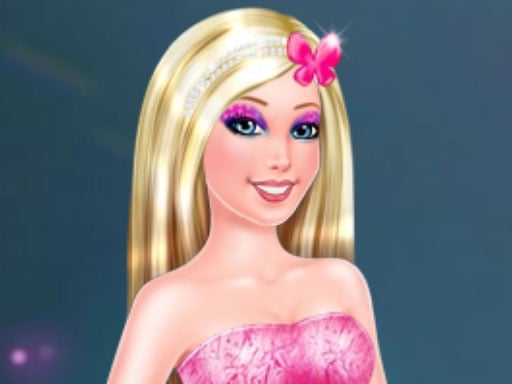
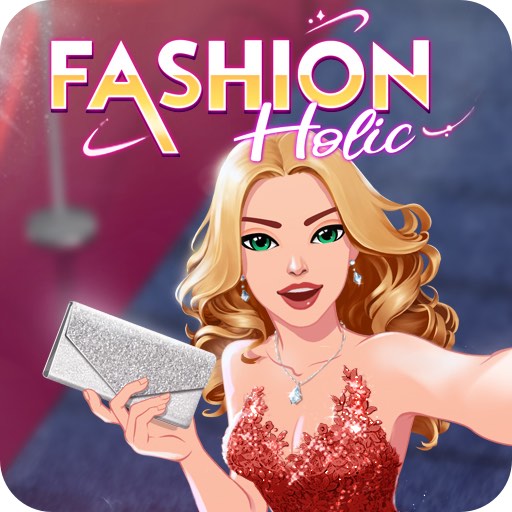
Fashion Holic begins with a familiar dress-up idea: choose clothing, hairstyles, footwear and accessories for a fashion-focused character. What gives the game more direction is the reason behind each outfit.
You are not simply opening a wardrobe and combining anything that looks attractive. The game places fashion inside public moments such as red-carpet appearances, runway events and photoshoots. Each setting suggests a different kind of look, so the player has to consider where the character is going before deciding what she should wear.
A red-carpet outfit may need a strong silhouette and carefully chosen accessories. A photoshoot can support a more unusual concept because the clothing only needs to work from the camera’s point of view. A runway look may benefit from one memorable idea that can be understood quickly as the character appears in front of an audience.
These situations are central to the public descriptions of Fashion Holic. The official GameDistribution listing presents the game as a fashionista experience involving red carpets, fashion shows, photoshoots, outfits and celebrity status. 1
That distinction matters.
In a completely open dress-up game, there is no wrong answer. The player can combine items according to personal taste and stop when the character looks interesting.
Fashion Holic still allows personal choices, but the event creates an additional question:
Does this outfit make sense for the occasion?
The most expensive-looking or decorative item is not automatically the best choice. The player needs to build a complete visual identity instead of treating every clothing category separately.
A dramatic dress can lose its effect when combined with equally dramatic hair, oversized jewelry and complicated shoes. A simple outfit can look unfinished when no item gives it a clear focus.
The game becomes more satisfying when you think like a stylist rather than someone emptying an entire wardrobe onto one character.
What You Actually Do in Fashion Holic
The basic controls are straightforward. Public listings describe mouse play on desktop and touch controls on supported mobile devices. The main activity involves selecting and combining fashion items for the character. 2
The deeper part of the game is deciding how those items belong together.
A typical styling process can be approached in five stages:
- Understand the event.
- Choose the main outfit.
- Establish the hairstyle and overall silhouette.
- Add shoes and accessories.
- Review the complete look rather than each item individually.
The first stage is easy to skip, but it is often the most important.
Before selecting clothing, look at the theme, setting or event description. Ask what kind of public appearance the character is preparing for. Is the scene formal, glamorous, playful, experimental or casual?
The wardrobe contains choices, but the event provides the editing rule.
Once the occasion is clear, begin with the clothing item that occupies the largest part of the character. This may be a dress, coordinated outfit or another central piece. Large items establish the dominant color, visual weight and direction of the style.
After that, choose hair that supports the clothing.
A detailed neckline may work better with hair that leaves the outfit visible. A simple dress may allow a larger or more expressive hairstyle. Formal clothing often looks more deliberate when the hair appears controlled, while a playful photoshoot can support movement, volume or contrast.
Shoes and accessories should come later.
They matter, but they should not force the player to rebuild the whole outfit unless they introduce a genuinely better idea. The final stage is not about adding the maximum number of objects. It is about deciding whether the look already feels complete.
Fashion Holic works best when every item appears to belong to the same decision.
Read the Event before Opening the Wardrobe
One of the easiest ways to make a weak outfit is to start selecting clothes before understanding the scene.
The event is not only decoration around the character. It changes what the outfit needs to achieve.
Red-Carpet Events
A red carpet is designed to make the character visible.
The outfit needs a recognizable shape, a clear focal point and enough detail to feel special. Formal clothing, longer lines, polished hair and carefully limited accessories usually fit this kind of appearance.
The goal is not to make every part equally loud.
Choose one main statement:
- A dramatic dress
- An unusual color
- A strong hairstyle
- One memorable accessory
- A clear contrast between simple and detailed elements
Once that choice is made, the remaining items should support it.
If the dress already contains several colors, the shoes and accessories can be quieter. If the clothing is simple, jewelry, hair or a bag can provide the main visual interest.
A red-carpet look should feel deliberate from head to toe.
Fashion Shows
A runway outfit needs to communicate its idea quickly.
The audience does not examine every detail for several minutes. The first impression matters, so the clothing should have a clear concept.
Possible approaches include:
- One dominant color
- Strong contrast
- Repeated shapes
- A consistent fabric or visual texture
- A dramatic silhouette
- One unusual item supported by simpler pieces
A runway look can be less realistic than everyday clothing. It may exaggerate proportion, color or styling because its purpose is presentation.
However, exaggeration still needs structure.
Combining several unrelated dramatic items does not automatically create a strong fashion look. It can make the character appear as though each item was selected from a different outfit.
Photoshoots
A photoshoot provides more freedom because the outfit is being created for an image.
The look can follow a concept rather than a practical event. A softer portrait may use related colors and limited accessories. A bold editorial image may use strong contrast, dramatic hair or an unexpected combination.
Think about what the photograph is supposed to communicate.
Is it:
- Elegant
- Playful
- Futuristic
- Romantic
- Casual
- Luxurious
- Colorful
- Minimal
- Dramatic
Once the mood is chosen, remove anything that weakens it.
Photoshoot styling often improves when the player edits the outfit after initially completing it. Build the first version, then remove or replace one item at a time.
Build the Outfit in Layers
A complete fashion look is easier to create when it is built in a consistent order.
Randomly moving between dresses, hair, shoes and accessories can still produce an interesting result, but it makes comparison more difficult. When several parts change at once, the player cannot tell which decision improved or weakened the look.
A layered process creates more control.
Layer One: The Main Clothing
Begin with the item that determines the largest part of the character’s appearance.
Look at:
- Main color
- Length
- Shape
- Formality
- Pattern
- Visual complexity
Do not worry about whether the outfit already looks complete. At this stage, the goal is to establish direction.
Layer Two: Hair and Silhouette
Hair changes the shape around the face and shoulders.
It can make the same clothing appear formal, youthful, relaxed or theatrical. A large hairstyle adds weight to the upper half of the character. A cleaner style allows the dress or accessories to receive more attention.
Compare several options before continuing.
Layer Three: Shoes
Shoes are easy to overlook because they occupy less space, but they can change the formality of the whole look.
The best shoes are not always those that repeat the exact clothing color. A neutral pair can allow a complex outfit to remain dominant. A contrasting color can work when it appears intentional elsewhere in the styling.
Layer Four: Accessories
Accessories should answer a specific need.
Ask:
- Does the face or neckline feel empty?
- Does the outfit need one stronger point?
- Does the event require a more formal finish?
- Is the accessory repeating a useful color?
- Is it adding information, or only adding clutter?
When the outfit already has a strong dress and hairstyle, one accessory may be enough.
Layer Five: Final Editing
Look at the entire character.
Do not review the dress, hair and jewelry separately. Ask whether they appear to belong to the same person attending the same event.
Remove one item and compare.
Sometimes the best final styling decision is subtraction.
Color Is a Tool, Not a Checklist
Matching every item to the same color can make an outfit feel organized, but it can also make it flat.
Using many different colors creates energy, but without a hierarchy the result may feel accidental.
A useful starting point is a three-part palette:
- One dominant color
- One supporting color
- One neutral or small accent
The dominant color usually comes from the largest clothing item. The supporting color can appear in shoes, hair details or another part of the outfit. The accent should occupy less space.
This is not a rule that every look must follow. It is a practical way to understand why some combinations feel connected.
Monochrome Looks
A monochrome outfit uses one color family.
The interest comes from differences in brightness, texture and shape rather than from contrast. This works well for formal scenes when the available items contain enough variation.
Complementary Contrast
Two noticeably different colors can make a look more energetic.
The key is deciding which one leads. When both colors occupy the same amount of space and intensity, they may compete. Let one dominate while the other appears in smaller areas.
Neutral Support
Neutral shoes, hair or accessories can prevent a colorful outfit from becoming visually crowded.
They are not boring choices. They create space around the main idea.
Repeated Accents
A small color used in two separate places can connect the outfit.
For example, a detail from the clothing might reappear in the shoes or an accessory. The repetition should be visible but not excessive.
The game becomes more interesting when color is used to support the occasion rather than simply to match every item.
The Difference between Expensive-Looking and Well-Styled
Fashion games often include items that appear luxurious because they are detailed, shiny, formal or highly decorated.
It is tempting to assume that combining several of these pieces will automatically create the strongest look.
That approach usually creates competition between the items.
A well-styled outfit has hierarchy. The viewer knows where to look first, then notices the supporting details.
An expensive-looking dress may need simple hair. Large jewelry may work better with a clean neckline. Detailed shoes are easier to appreciate when the clothing around them is less complicated.
The opposite can also be effective.
A simple main outfit can become memorable through one dramatic accessory or hairstyle. The look does not need complexity everywhere.
Fashion Holic is more enjoyable when the player stops asking:
Which item looks the most glamorous?
And begins asking:
Which item helps this outfit communicate one clear idea?
Celebrity styling is not only about displaying expensive pieces. It is about controlling how those pieces are seen together.
Styling for a Character, Not a Mannequin
An outfit can look technically coordinated and still feel impersonal.
A stronger approach is to imagine something about the character before finishing the look.
She might be:
- Attending her first major red carpet
- Already confident and comfortable with attention
- Trying a more experimental fashion identity
- Preparing for a romantic photoshoot
- Presenting a playful runway collection
- Choosing a quieter style for an interview or appearance
This imagined role gives meaning to small decisions.
A confident character may support stronger contrast or a dramatic silhouette. Someone appearing at a first event may look polished but less theatrical. An experimental fashion personality can combine items that would feel unusual in a conventional formal look.
The game may not provide a detailed written personality for every outfit. That creates room for the player to supply one.
Try creating three looks for the same character:
- Her first public appearance
- Her most glamorous event
- A photoshoot where she wants to look completely different
The wardrobe has not changed, but the styling choices should.
That is where replay value comes from.
Why Fashion Holic Is More Directed than DIY Paper Doll
Fashion Holic and DIY Paper Doll both involve clothing and character appearance, but they create different kinds of decisions.
DIY Paper Doll is primarily open wardrobe play. The player can build a character slowly, compare individual items and stop when the design feels complete. The setting does not strongly judge whether the clothing belongs to a particular occasion.
Fashion Holic adds public context.
The character is being styled for red carpets, fashion shows and photoshoots. These events make the outfit feel like a response to something outside the wardrobe.
In DIY Paper Doll, the main question is:
What kind of character do I want to create?
In Fashion Holic, the question becomes:
What should this character wear for this moment?
That additional condition makes Fashion Holic more structured, even when the controls remain simple.
It also changes replay.
Returning to DIY Paper Doll may mean creating a different personal style. Returning to Fashion Holic can mean interpreting an event in a completely different way.
Neither approach is automatically better.
Players who want calm, unrestricted character creation may prefer DIY Paper Doll. Players who enjoy themes, public appearances and styling decisions with a purpose may prefer Fashion Holic.
Why It Is Different from Avatar World Secrets
Avatar World Secrets uses fashion as one part of a larger scene.
After dressing a character, the player can move through rooms, arrange objects and create everyday situations. The outfit supports the story, but it is not always the main activity.
Fashion Holic keeps the attention on public image.
The character’s appearance is the event. The clothing, hair and accessories are selected to create an impression on a runway, red carpet or photoshoot.
Avatar World Secrets asks:
- Where is the character?
- Who else is in the room?
- What activity is taking place?
- Which objects support the scene?
Fashion Holic asks:
- What is the occasion?
- What should the outfit communicate?
- Which item should attract attention?
- Does the complete look fit the event?
Players who prefer arranging rooms and creating family or everyday stories may find Avatar World Secrets more open. Players who want styling to remain the central challenge may prefer Fashion Holic.
Seven Styling Challenges to Try
1. One-Color Red Carpet
Choose one color family and build the full look around it.
Use variation in shade, shape and detail rather than adding many unrelated colors. The challenge is to make the outfit feel rich without relying on strong contrast.
2. One Statement Piece
Select the most memorable dress, hairstyle or accessory first.
Keep everything else restrained. The final character should have one obvious focal point.
3. Camera-Ready Contrast
Create a photoshoot look using two contrasting colors.
Choose which color should dominate and use the other only as an accent. Avoid dividing the outfit exactly in half.
4. Minimal Celebrity Look
Use fewer decorative items than usual.
The challenge is to make the character feel polished through proportion, silhouette and clean coordination rather than through quantity.
5. Experimental Runway
Choose one unusual item that you might normally avoid.
Build the rest of the outfit around it until the unusual choice appears intentional.
6. Day-to-Night Transformation
Create a softer daytime appearance first.
Then keep one item and transform the rest into an evening or red-carpet look. Compare which changes have the largest effect.
7. Three Events, One Character
Style the same character for:
- A fashion show
- A photoshoot
- A red carpet
Each version should feel different even if some items are reused.
Common Styling Mistakes
Choosing Accessories Too Early
Accessories are easier to judge after the main silhouette and color palette are established.
Selecting them first can force the clothing into a direction that does not fit the event.
Making Every Item a Statement
When every element is dramatic, none of them becomes the focal point.
Choose one or two strong elements and allow the others to support them.
Matching Colors Too Literally
Repeating the exact same color everywhere can look organized but flat.
Use related shades, neutrals or one controlled contrast.
Ignoring the Event
An attractive outfit can still feel wrong when it does not match the occasion.
Review the scene before finalizing the look.
Never Removing Anything
Players often keep adding because each item looks good on its own.
Try removing the final accessory. If the outfit becomes clearer, it was not necessary.
Changing Several Elements at Once
When too many parts change together, it becomes difficult to understand which decision improved the look.
Replace one item at a time.
Controls and Browser Experience
Fashion Holic uses simple selection controls. CrazyGames lists mouse controls for desktop and touch input for mobile, while Miniplay describes the primary action as selecting items. 2
The game is published on GameDistribution by Gameloft SE, and the official listing marks it as mobile-web compatible for iOS and Android. 1
On desktop, use the mouse to:
- Select clothing
- Change hairstyles
- Choose footwear
- Add or replace accessories
- Continue through the styling sequence
On supported touch devices, the same actions are generally performed by tapping.
The current girl-games.io source uses GameDistribution. During previous production testing, the provider displayed an availability restriction when loaded under the girl-games.io domain. Because this is controlled by the external provider, the page should not claim that the embedded version is currently stable until the source has been tested again.
Progress saving has not been confirmed.
Do not assume that an outfit, unlocked item or current event will remain available after refreshing or closing the page unless a visible save or continue system appears inside the game.
Our Test Notes
Last checked: July 2026
Developer listed by distributor: Gameloft SE
Current provider: GameDistribution
Main controls: Mouse / tap
Play style: Event-based fashion styling
Progress saving: Not confirmed
Production embedding status: Requires re-verification
We previously tested the GameDistribution version both directly and inside the Girl-Games.io player.
The direct provider page could display the Fashion Holic startup experience. Under the live girl-games.io domain, however, the provider returned an unavailable message and directed the player toward an external GameDistribution page.
The gd_sdk_referrer_url was corrected to match the English and Chinese page URLs, but the production restriction remained. This indicated that the problem was not caused by the visible page design, title, loading overlay or basic iframe URL encoding.
The provider controls whether the game is permitted to remain embedded on a particular domain.
For that reason, this page must not state that Fashion Holic currently remains playable inside the site until a later test confirms that the provider restriction has changed or a different approved source has been selected.
This limitation does not change what the game is about, but it does affect whether the current player can be presented as available.
Who Will Probably Enjoy Fashion Holic
Fashion Holic is likely to suit players who enjoy:
- Fashion-focused dress-up games
- Red-carpet styling
- Runway themes
- Photoshoot outfits
- Selecting clothes for specific occasions
- Comparing complete looks
- Working with color and accessories
- Celebrity and fashionista themes
- Simple controls with visual decision-making
- Replaying events with different styling ideas
It is especially suitable for players who want more direction than a completely open wardrobe provides.
The event gives each styling session a purpose. The player is still free to experiment, but the outfit is being created for a visible moment rather than in isolation.
Fashion Holic may be less suitable for players who want:
- Room decoration
- Avatar movement
- Story exploration
- Action or running mechanics
- Difficult puzzles
- Multiplayer competition
- Guaranteed cloud saving
- A completely unrestricted wardrobe experience
- A game that is currently confirmed to work on every embedded domain
Players who mainly want calm character creation may prefer DIY Paper Doll. Those who want rooms, objects and open-ended scenes may prefer Avatar World Secrets.
Frequently Asked Questions
What is Fashion Holic?
Fashion Holic is a browser-based dress-up game centered on the life and public appearances of a fashionista. Its official distributor description highlights red carpets, fashion shows, photoshoots, outfits and celebrity status. 1
Who developed Fashion Holic?
GameDistribution lists Gameloft SE as the developer and publisher associated with the distributed browser version. Miniplay also credits Gameloft SE as the creator. 1
What do you do in the game?
Players select clothing and appearance options for fashion-focused events. Public descriptions mention red-carpet appearances, runway shows and photoshoots. Some listings also describe choosing clothes, accessories, hairstyles and footwear for different occasions. 1
How do you control Fashion Holic?
Use the mouse to select items on desktop. CrazyGames also lists tap controls for supported mobile devices. 2
Is Fashion Holic only a free-form dress-up game?
It includes dress-up choices, but its public descriptions place those choices inside themed fashion events. The occasion gives the outfit more direction than a wardrobe with no setting or purpose.
Can I play Fashion Holic on mobile?
The official GameDistribution listing marks the game as mobile-web compatible for iOS and Android. Actual availability may still depend on the website, browser, provider permissions and current embedded source. 1
Does Fashion Holic save progress?
Progress saving has not been confirmed for the version currently connected to Girl-Games.io. Check the game for a visible save, account or continue feature before relying on progress being restored.
Why does the game say it is not available here?
GameDistribution can restrict whether a game runs inside a particular website domain. During previous testing, the live Girl-Games.io page received an unavailable response even though the direct provider page could open.
Why does clicking Play open another website?
When a provider blocks embedded play, its fallback button may direct the player to an external provider page. That behavior comes from the GameDistribution player rather than the Girl-Games.io title or content section.
Is the current embedded version confirmed to work?
Not yet. The production-domain restriction needs to be tested again before the page should be described as fully playable inside Girl-Games.io.
For more occasion-based styling, browse Dress Up Games.
More Games You May Like
Prefer a quieter wardrobe experience without red carpets or public events? Try DIY Paper Doll. It focuses on building a character one clothing piece at a time without an event-based setting.
Want fashion to become part of a larger room and character story? Open Avatar World Secrets. It combines avatar styling with rooms, objects and open-ended life scenes.
Players who prefer a more guided facial and beauty transformation can try Makeup Master Game. Its focus moves from public-event fashion toward step-by-step makeover results. Vortella's Dress Up adds a 3D studio flow with separate beauty and styling stations.
You can also browse more titles in Girl Games or visit New Girl Games.